

Why Lightlark by Alex Aster split romantasy readers
How reader age quietly explains almost everything


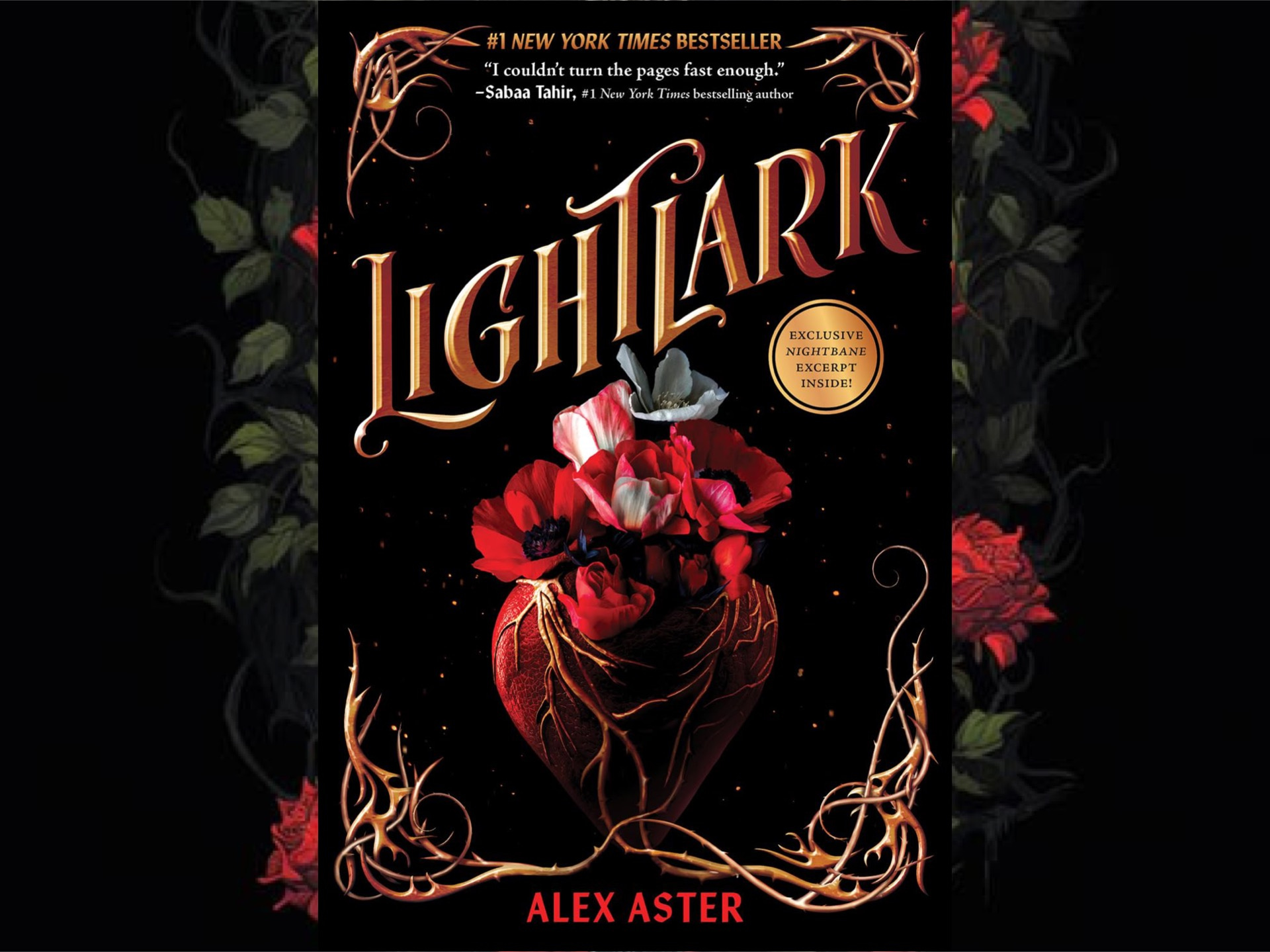
Lightlark, Age, and the Great Romantasy Divide
Is this even romantasy — and who was this book actually written for?
Some books get reviews. Lightlark by Alex Aster revealed a divide among romantasy readers that was already there.
The reaction wasn’t just mixed. It was sharply divided: readers either devoured it or didn’t fully connect with it. This wasn’t simply a divisive release. It exposed a fault line quietly forming inside romantasy itself.
The split wasn’t about taste, but about reading experience and what readers believe romantasy is supposed to deliver.
What follows isn’t a review, but an examination of what Lightlark reveals about where romantasy and its readers are right now.
🔒 Below the paywall:
We’re going deeper than star ratings. Inside, we’re looking at:
who this book actually works for,
why many longtime romantasy readers finished it feeling strangely unsatisfied,
what younger and newer readers are experiencing differently,
and the bigger question underneath all of it:
Is Lightlark actually romantasy — or does it only look like one?